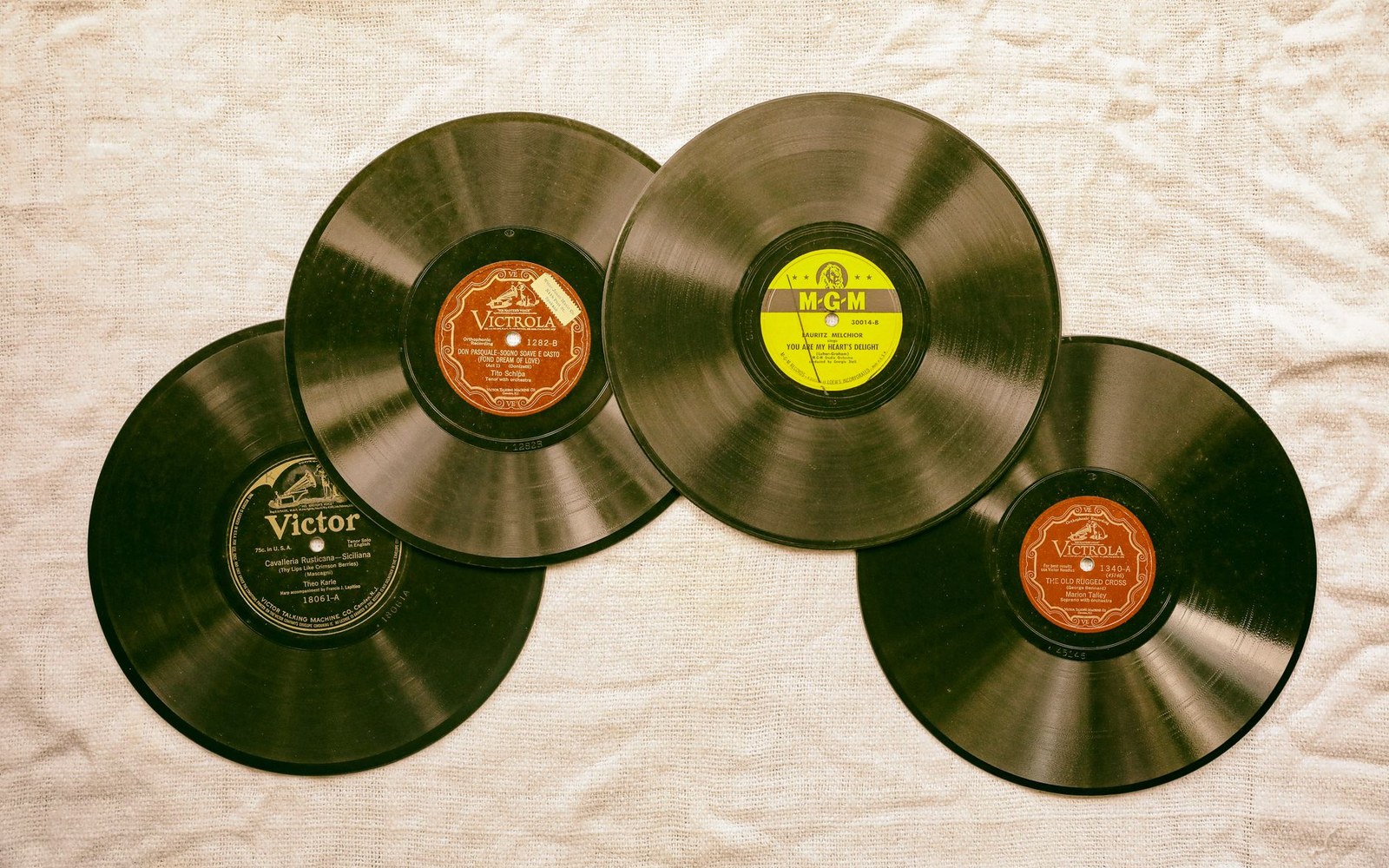
Labels
Eleven companies, one question: who owns the master?
Monographs on the labels that built the catalogue: who started them, how they sounded, what they left.
- Alfred Lion Records Two Boogie-Woogie Pianists and Calls the Result Blue NoteHow a German émigré's obsession with jazz, a darkroom friendship, and one engineer's ear in New Jersey built the most coherent label catalogue in American music
- The Memphis Recording Service Opens at 706 Union AvenueSam Phillips rents a storefront in downtown Memphis, captures sounds the major labels had never bothered with, and builds the studio practice that will produce the Sun Records catalogue
- Stax Discovers What Its Distribution Contract Actually SaidHow a handshake deal with Atlantic left Memphis's greatest soul label without its own recordings
- Berry Gordy Borrows Eight Hundred Dollars and Buys a House on West Grand BoulevardThe production-line pop empire that Berry Gordy built from a Detroit bungalow changed what a record label could be
- A Manchester Label Gives Its First Catalogue Number to a PosterFactory Records assigned its FAC prefix to everything — posters, nightclubs, lawsuits, a coffin — because Tony Wilson never regarded the catalogue number as merely a filing tool
- Ahmet Ertegun, Jerry Wexler, and the Art of the Lease DealHow Atlantic structured its regional arrangements differently from Chess — and why that determined which masters it kept.
- Geoff Travis Opens a Shop on Kensington Park RoadA record shop that became a label, and a distribution network that became an alternative economy: Rough Trade, Notting Hill, from 1976.
- Chris Blackwell Presses the Records and Drives the Stock to the Shops HimselfAn English schoolboy in Jamaica builds a label that reinvents itself three times and sells for sixty million pounds
- Russell Simmons and Rick Rubin Run a Label from a Dormitory RoomDef Jam's first three years demonstrate how a production aesthetic, not a building, can be a label's primary asset
- Bruce Pavitt and Jonathan Poneman Press a Thousand Singles and Ship Them to Every College Radio Station in the United StatesHow a Seattle label turned regional identity into a business model — and nearly went broke doing it
- Manfred Eicher Asks for the Longest Possible Reverb TailHow ECM Records, founded in Munich by Manfred Eicher in 1969, turned silence, space and a photographic aesthetic into a recognisable identity.
The people who ran them
Sam Phillips
Memphis Recording Service and Sun, from 1950
706 Union Avenue; catalogue from 174.
Jim Stewart & Estelle Axton
Satellite, then Stax, from 1957
A converted cinema on McLemore Avenue.
Berry Gordy
Tamla and Motown, from 1959
$800, and a house on West Grand Boulevard.