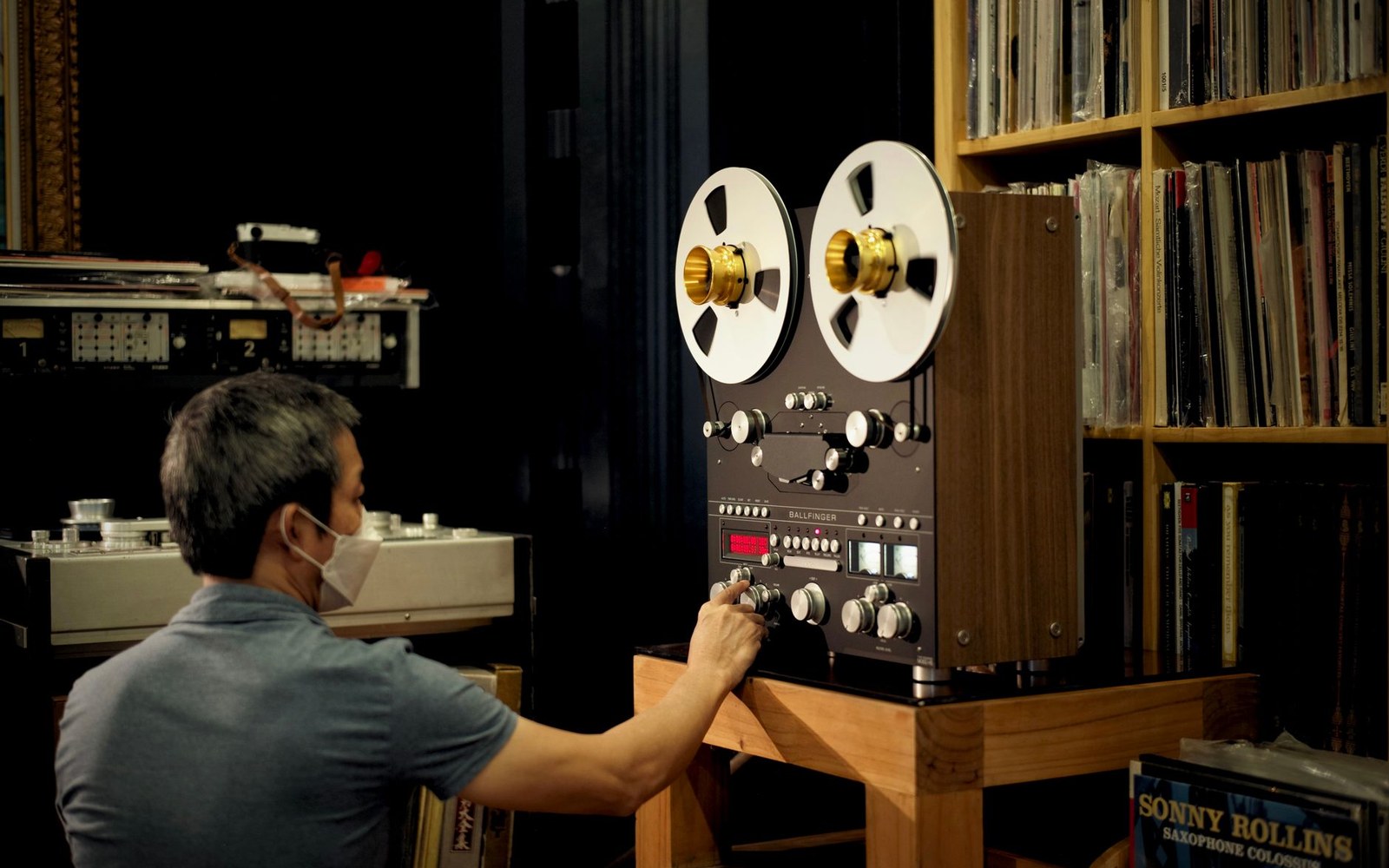
Tape. Atlantic’s lease terms decided which regional masters ended up in a New York vault.
Photo: Luong Tiet / Pexels
Record labels: the rooms, the people, the catalogues.
How Atlantic structured its regional arrangements differently from Chess — and why that determined which masters it kept.
Tape. Atlantic’s lease terms decided which regional masters ended up in a New York vault.
Photo: Luong Tiet / Pexels
Atlantic Records was incorporated in New York City in 1947 by Ahmet Ertegun and Herb Abramson, two men whose enthusiasm for Black American music ran well ahead of their capitalisation. The initial funding — around ten thousand dollars, partly from a Washington, D.C. dentist named Vahdi Sabit — was thin enough that the label's earliest sessions were cut in hotel rooms and rented studios, with Ertegun and Abramson doubling as producers, talent scouts and occasionally roadies. Jerry Wexler arrived in 1953, buying out Abramson's share while Abramson served in the Army, and the label's character sharpened immediately: Wexler brought a journalist's ear for language and a deal-maker's instinct for structure.
The lease deal — an arrangement by which Atlantic licensed masters from a smaller regional label for a fixed term, manufactured and distributed the records nationally, and paid a royalty back to the originating party — was common currency in the 1950s independent sector. Chess Records in Chicago operated both sides of it simultaneously, leasing its own product upward to distributors while occasionally acquiring product from regional operations on its own terms. What Chess built was a proprietary recording infrastructure at 2120 South Michigan Avenue that kept production internalised; the resulting masters were Chess's outright, held in perpetuity by the brothers Leonard and Phil Chess.
| Atlantic's lease model | licensed regional masters for a fixed term; originator retained reversion rights in principle |
| Chess's model | vertically integrated; masters owned outright, but publishing splits via Arc Music complicated revenue |
| Atlantic's production model (from mid-1960s) | label finances sessions directly; ownership unambiguous from session date |

The unit of the whole business is three hours in a room with a clock running.
Photo: Anna Pou / Pexels
Atlantic's approach was meaningfully different. Rather than recording everything in-house, Ertegun and Wexler actively cultivated relationships with producers and small operators across the South and Southwest — leasing completed or partially completed masters and bringing them into Atlantic's national distribution network. The key structural distinction was term and reversion: Atlantic's lease agreements frequently ran for defined periods, after which the originating label or producer could, in principle, reclaim the recordings. In practice, the outcomes varied considerably depending on how cleanly the original contracts had been drafted and how aggressively the smaller party pursued reversion.
The arrangement with the Muscle Shoals ecosystem — sending artists to FAME Studios and later to the breakaway Muscle Shoals Sound Studio on Jackson Highway — was not strictly a lease deal but a production agreement, with Atlantic retaining master ownership because it financed the sessions. That distinction mattered enormously when the value of back catalogues was eventually reckoned. Masters Atlantic paid to record, it owned. Masters it licensed from existing regional labels existed on a different legal footing, and the lesson Stax learned from its own distribution contract with Atlantic — that possession of the physical tapes was not the same as legal ownership of the recordings — was a variation on the same underlying problem.
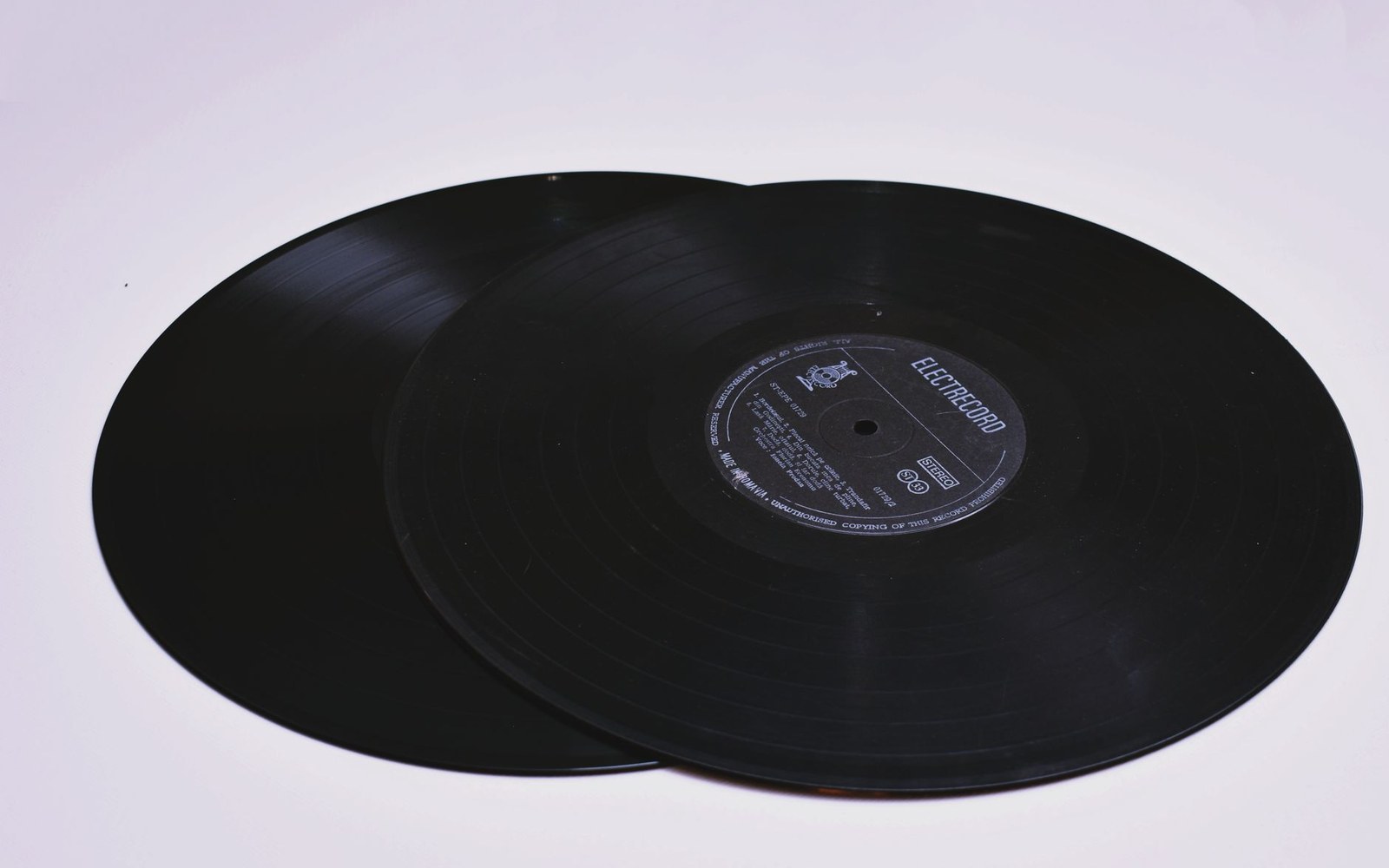
Sun 209, July 1954.
Photo: Diana ✨ / Pexels
What Wexler understood, and exercised with increasing sophistication through the 1960s, was that the most durable arrangement was to finance recording directly. Atlantic's deal with Aretha Franklin, signed in 1966, was a direct artist contract with masters owned by the label. The recordings made at Muscle Shoals and at American Sound Studio in Memphis were Atlantic's property from the session date forward. The lease deal, useful as a shortcut to regional repertoire in the early 1950s, gave way to a production model that left no ambiguity about ownership.
Chess, by contrast, was so vertically integrated — pressing plant, publishing arm Arc Music, studio, label — that its masters were structurally secure within the company but heavily encumbered by publishing arrangements that effectively split the financial benefit of those recordings. When Atlantic was sold to Warner Bros.-Seven Arts in 1967 for seventeen million dollars, its catalogue's value reflected the clarity of its ownership structure as much as the quality of the music it contained. The lease deal, in Atlantic's hands, had been a tool for building market presence quickly; the discipline to own what mattered most was what made the catalogue worth buying.