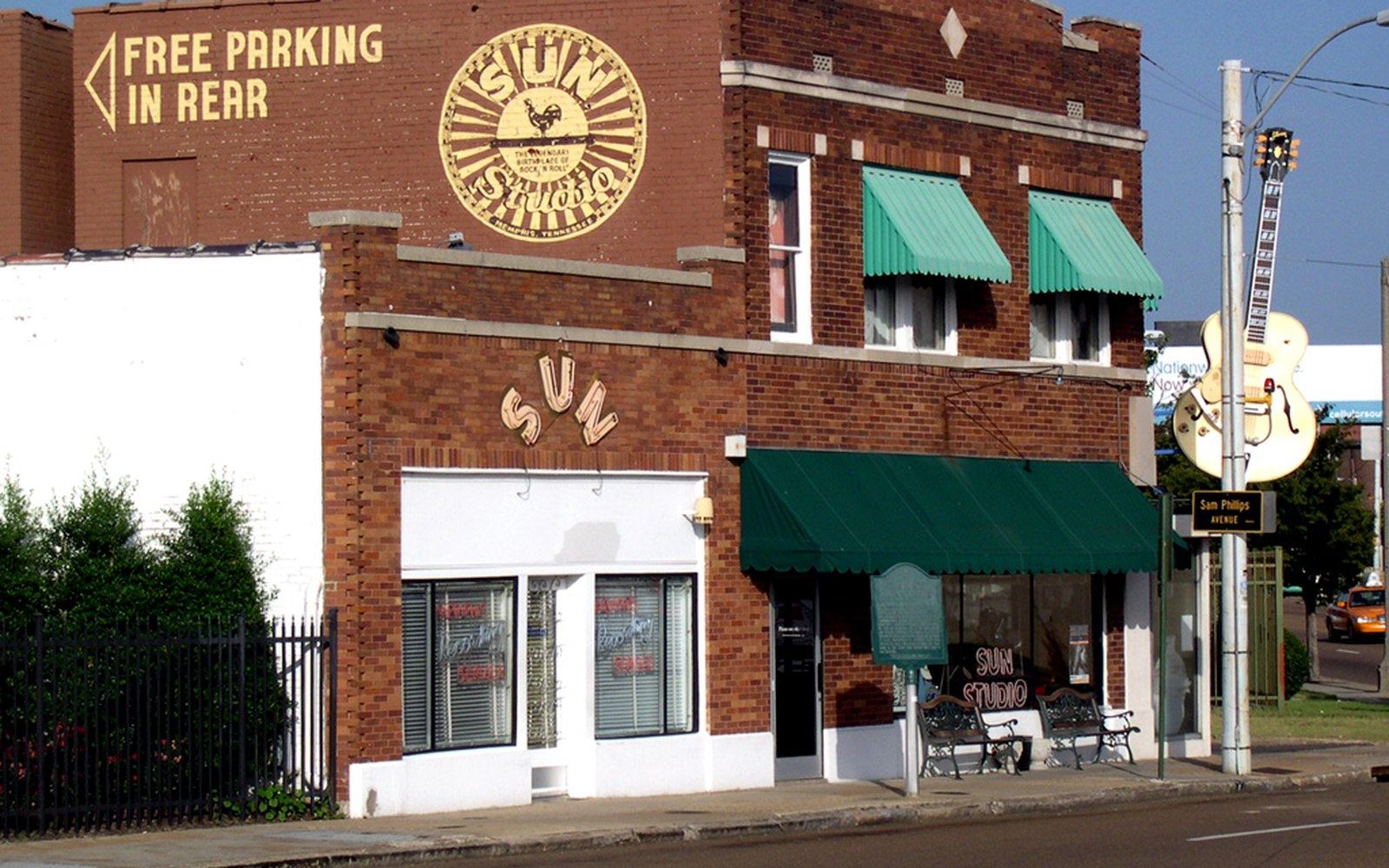
706 Union Avenue, Memphis. The building still stands at the corner of Marshall and is open to visitors.
Photo: Sun Studio, Memphis · Wikimedia Commons
Record labels: the rooms, the people, the catalogues.
Sam Phillips rents a storefront in downtown Memphis, captures sounds the major labels had never bothered with, and builds the studio practice that will produce the Sun Records catalogue.
706 Union Avenue, Memphis. The building still stands at the corner of Marshall and is open to visitors.
Photo: Sun Studio, Memphis · Wikimedia Commons
In January 1950, Sam Phillips opened the Memphis Recording Service in a narrow storefront at 706 Union Avenue, Memphis, Tennessee — a building that measured roughly thirty-five feet deep and eighteen feet wide, with a low acoustic tile ceiling and walls treated to control flutter echo. Phillips had worked as a radio engineer at WREC in Memphis and understood microphone placement and signal chain in a way most independent operators in the South did not. He was twenty-seven years old, and his stated purpose was to record Black musicians who had no other facility in the region that would take their work seriously.
The room served a double function. Anyone could rent studio time to cut a demo or a vanity disc; that was the commercial engine that kept the lights on. But Phillips also recorded on speculation, leasing the finished masters to labels based in Chicago and Los Angeles. Chess Records took several of those early masters, including sessions by Howlin' Wolf and Ike Turner's Kings of Rhythm — material that would define the Chess catalogue's early identity. Phillips received a flat fee for each master, no royalties, no ownership: a straight lease deal, the standard arrangement between a Southern independent and a Northern company that controlled pressing and distribution.
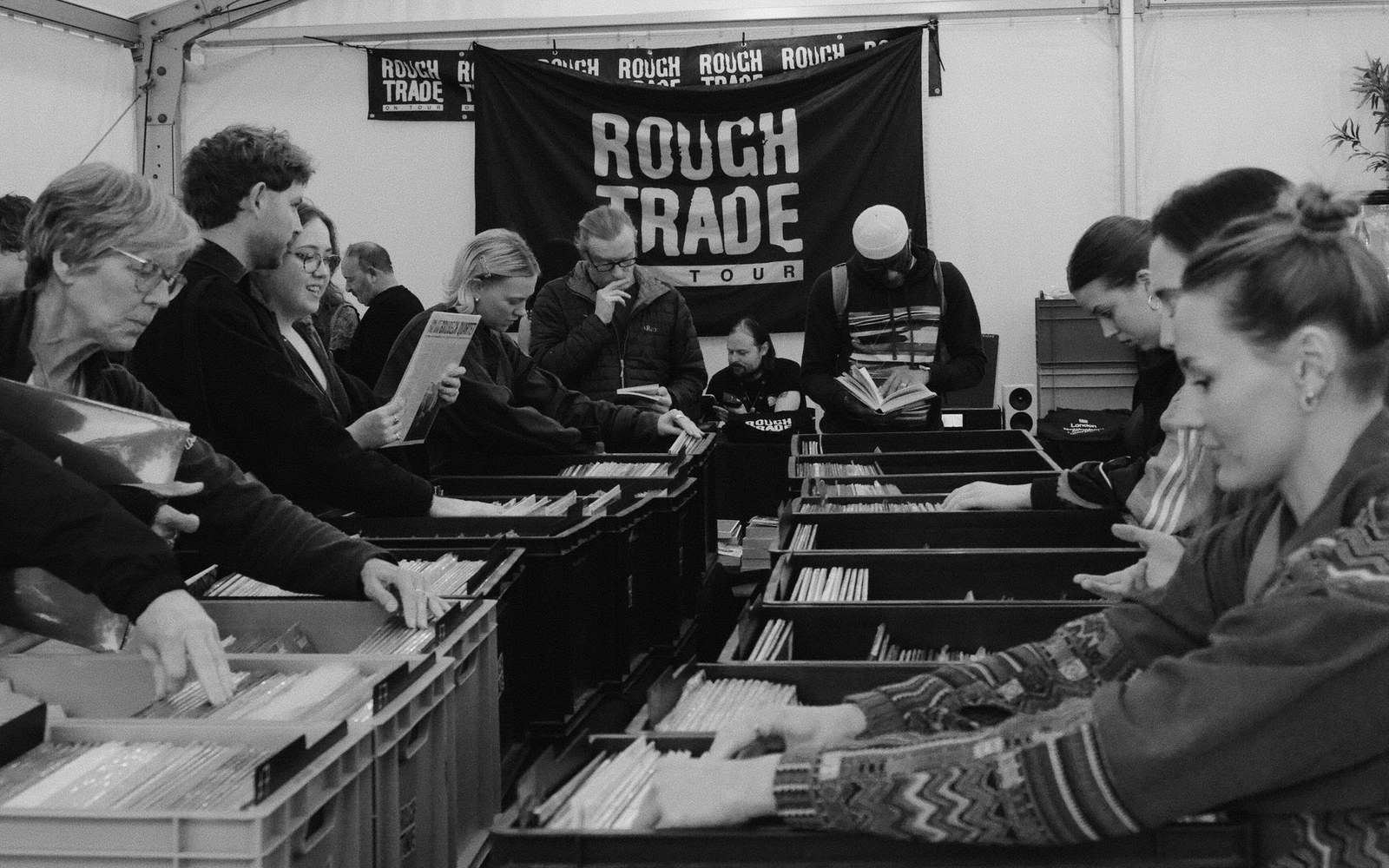
The shop counter as market research: what sold on Saturday decided what got pressed on Monday.
Photo: Ian / Pexels
The session that concentrated Phillips's approach into a single document took place in March 1951, when Ike Turner drove a band from Clarksdale, Mississippi, to 706 Union Avenue. A speaker cone on Willie Kizart's guitar amplifier had been damaged in transit and stuffed with paper to keep it functional. The distorted, buzzing tone that resulted was not corrected. Phillips recorded the performance as it existed, not as it might have sounded with a functioning cabinet. The resulting track, issued on Chess as "Rocket 88" under Jackie Brenston and His Delta Cats, reached number one on the Billboard R&B charts in 1951. The fidelity of the moment — the broken speaker, the room's natural compression, the performance's physical urgency — became a working principle rather than an accident to be avoided.
Phillips had already developed a technical signature around that instinct. Using a pair of Ampex tape machines, he created a short delay by routing a signal from the record head of the first machine to the playback head of the second, set a fraction of a second behind. The result was a slap-back echo — a single, tight repeat that thickened the sound without washing it in reverb. It was not the ambient tail that Manfred Eicher would later build an entire ECM aesthetic around; it was percussive, spatial, and immediate, and it suited the vocalists and guitarists who worked in that room precisely because it made them sound larger without obscuring the grain of the original performance.

Between the tape and the shop there are four more trades: mastering, plating, pressing and printing. A label that could not book all four had no product at all.
Photo: Tima Miroshnichenko / Pexels
Phillips launched Sun Records in February 1952. The first release, Sun 174 — the label began its numbering sequence in the mid-100s to avoid looking new — was "Gotta Let You Go" by Joe Hill Louis. The label's visual identity was straightforward and functional: a rooster crowing before a rising sun, the name in block letters, the catalogue number prominent. This was not a label that invested in graphic design in the way Blue Note Records would under Reid Miles; it was a regional operation printing small runs and distributing through local and regional rack jobbers.
The period between 1952 and 1954 produced a working catalogue of blues, gospel-inflected R&B, and country that circulated through the mid-South. Rufus Thomas cut "Bear Cat," a pointed answer to Big Mama Thornton's "Hound Dog," which was released on Sun 181 in 1953 and represented the label's first regional commercial success, though it also earned a copyright infringement action from Don Robey at Peacock Records. Little Junior Parker, James Cotton, and Billy "The Kid" Emerson all recorded at 706 Union Avenue in these years. Phillips was paying session fees out of money he did not always have, pressing a few hundred copies at a time, and carrying records to radio stations himself.
In the summer of 1953, an eighteen-year-old named Elvis Presley paid four dollars to cut a personal acetate at the Memphis Recording Service — two sides, recorded on the spot for his mother. Phillips's assistant Marion Keisker noted his name and voice. A year later, in July 1954, Phillips brought Presley back into the studio alongside guitarist Scotty Moore and bassist Bill Black. The formal session produced little that satisfied anyone. During a break, Presley began playing Arthur Crudup's "That's All Right" in a loose, accelerated style that owed as much to the country music he had absorbed as to the blues he was reinterpreting. Phillips, in the control room, recognised that the performance could not be recreated by instruction; he let the tape run.
Sun 209 — "That's All Right" backed with Bill Monroe's "Blue Moon of Kentucky," the latter reworked at a tempo that Monroe would not have recognised — was released in July 1954 and played repeatedly by Memphis DJ Dewey Phillips on WHBQ before the pressing was even widely available. The response from listeners was immediate and, for the regional market, extraordinary. Sam Phillips, working from a room with a single echo effect and an instinct that the unrepeatable take was worth more than the correctable one, had built the recording that would eventually reorient the commercial geography of popular music.
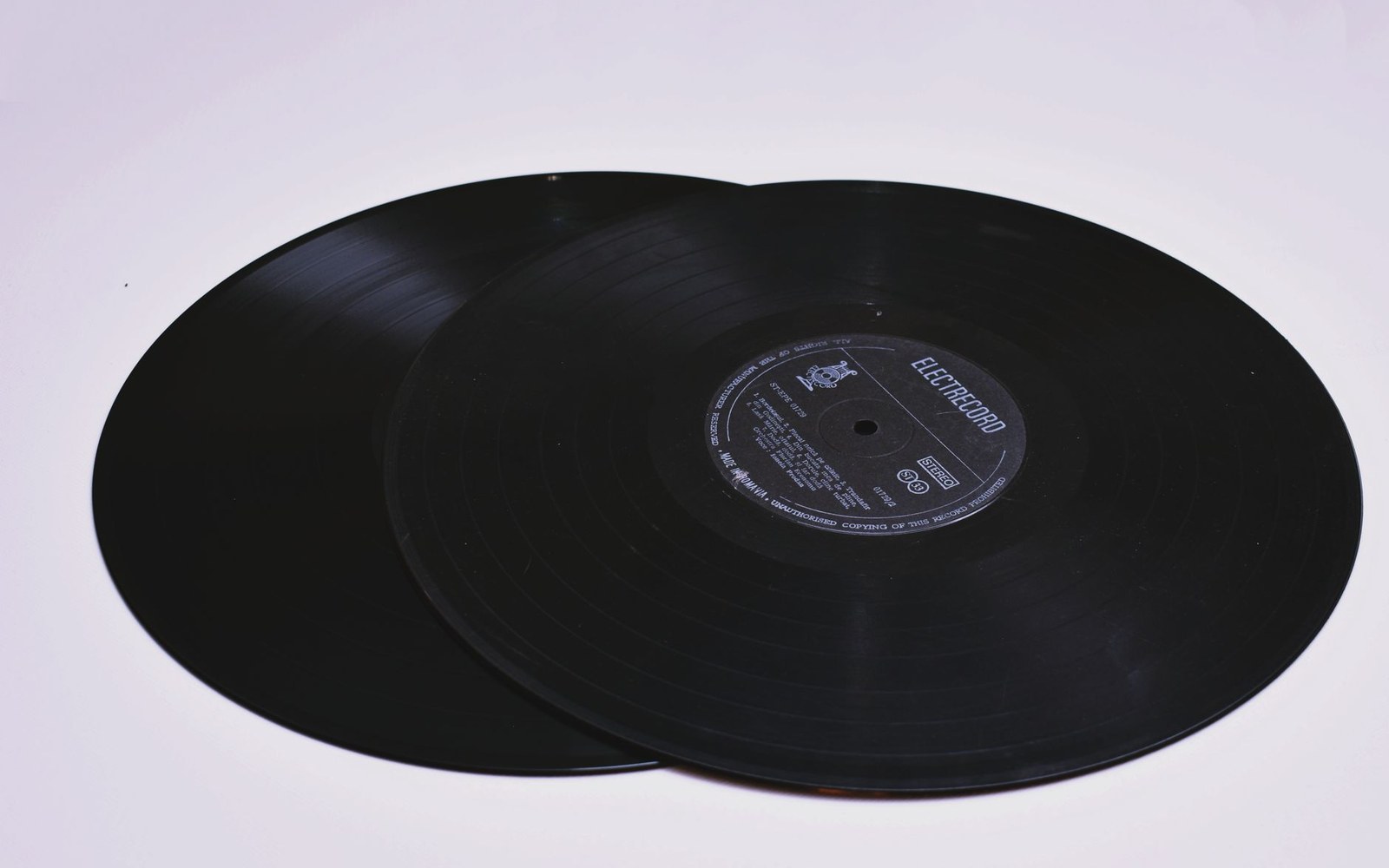
Sun 209, July 1954.
Photo: Diana ✨ / Pexels
Presley recorded five singles for Sun between 1954 and 1955. In November 1955, RCA Victor purchased his contract and the master recordings from Sam Phillips for thirty-five thousand dollars — a sum that reflected the finite ceiling on what a regional independent could leverage without major-label capital behind it. Phillips used the money to develop other artists and to underwrite the label's continued operation. The sale also illustrated, precisely and without sentimentality, the structural condition of the independent label in the American music business of the 1950s: the room and the method could produce the artefact; it took a major's infrastructure to make it a market.