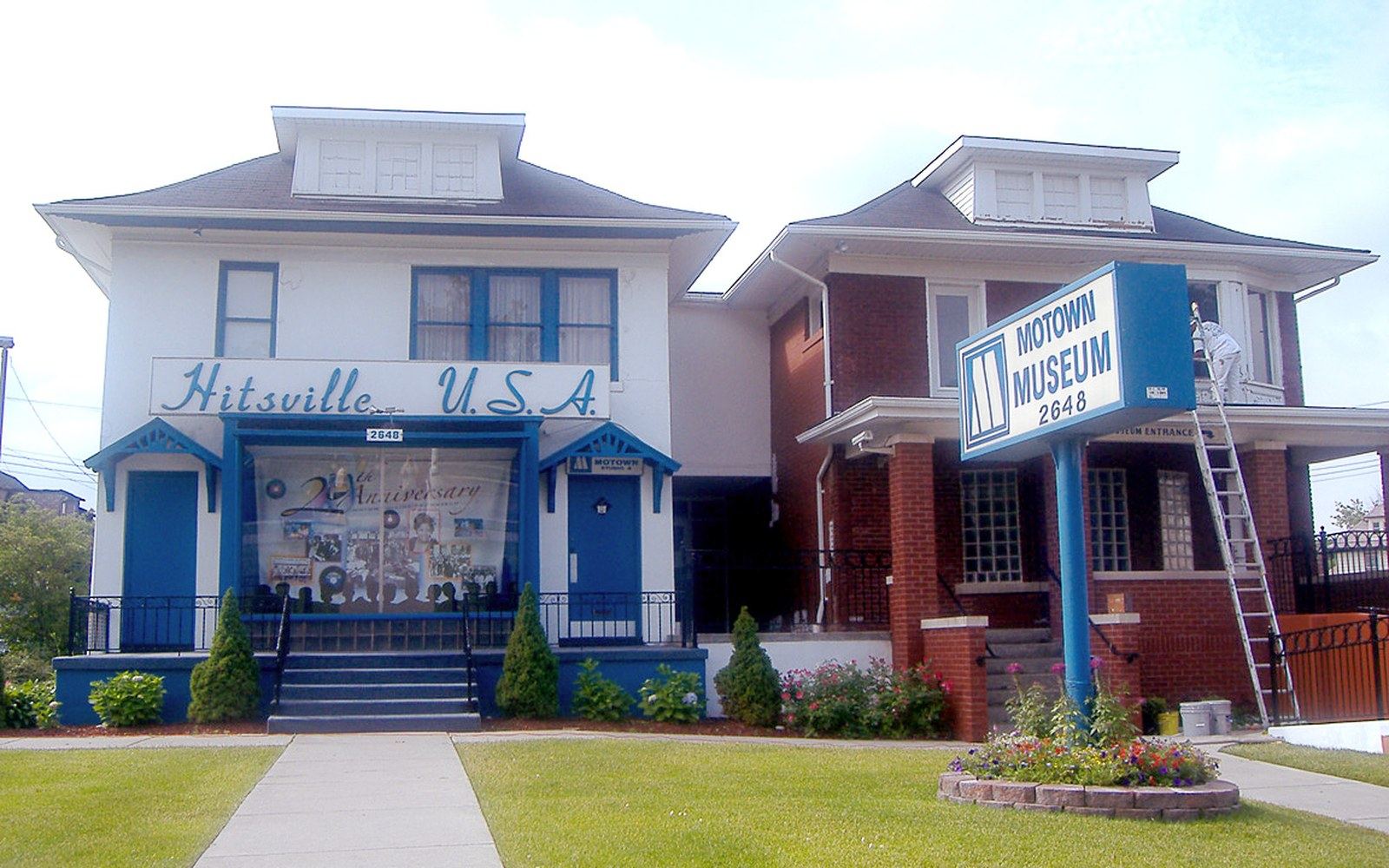
Hitsville U.S.A., 2648 West Grand Boulevard. Gordy bought the house on an $800 family loan and put the studio in the back.
Photo: Hitsville USA · Wikimedia Commons
Record labels: the rooms, the people, the catalogues.
The production-line pop empire that Berry Gordy built from a Detroit bungalow changed what a record label could be.
Hitsville U.S.A., 2648 West Grand Boulevard. Gordy bought the house on an $800 family loan and put the studio in the back.
Photo: Hitsville USA · Wikimedia Commons
In January 1959, Berry Gordy borrowed eight hundred dollars from a family loan fund and purchased a two-storey house at 2648 West Grand Boulevard, Detroit. He renamed it Hitsville U.S.A. and converted its garage into a recording studio — Studio A — that would, over the next decade, produce more American number-one singles than any comparable facility in the country. Tamla Records launched that year, with Motown Records following in 1960 as the umbrella corporation expanded.
Studio A was a room shaped by compromise and accident: low ceilings, an irregular floor plan, and tiled bathroom walls that added a distinctive liveness to the low end. The house's domestic character was inseparable from the sound. Engineers learned to work within its limits, placing musicians in fixed positions that became part of the formula. The bass was recorded direct; the drums were tuned high and close-miked; the room's ambience was managed rather than eliminated. What emerged was dense, punchy, and designed to survive the frequency losses of AM radio and the cheap speakers that most listeners owned.
Gordy ran the label on explicitly industrial principles. Songwriters, producers, arrangers, musicians, and artists worked under contract, often in the same building, often simultaneously. The Funk Brothers — the house band whose identity remained largely anonymous for years — tracked backing arrangements while Gordy reviewed the previous week's sessions upstairs. The quality-control department held Friday listening meetings, at which every completed record was scored against current chart releases before a decision was made to press or shelve it. The process was ruthless and effective: Motown's strike rate in the first half of the 1960s was without precedent in American popular music.
The label's creative engine in those years was the songwriting and production partnership of Holland–Dozier–Holland — Eddie Holland, Lamont Dozier, and Brian Holland — who between 1963 and 1967 wrote and produced a sequence of hits for the Supremes, the Four Tops, Marvin Gaye, and Martha and the Vandellas that effectively defined the label's commercial identity. Their departure in a royalties dispute in 1967 was the first major fracture in Motown's structure, and the company's output grew progressively less concentrated after it.
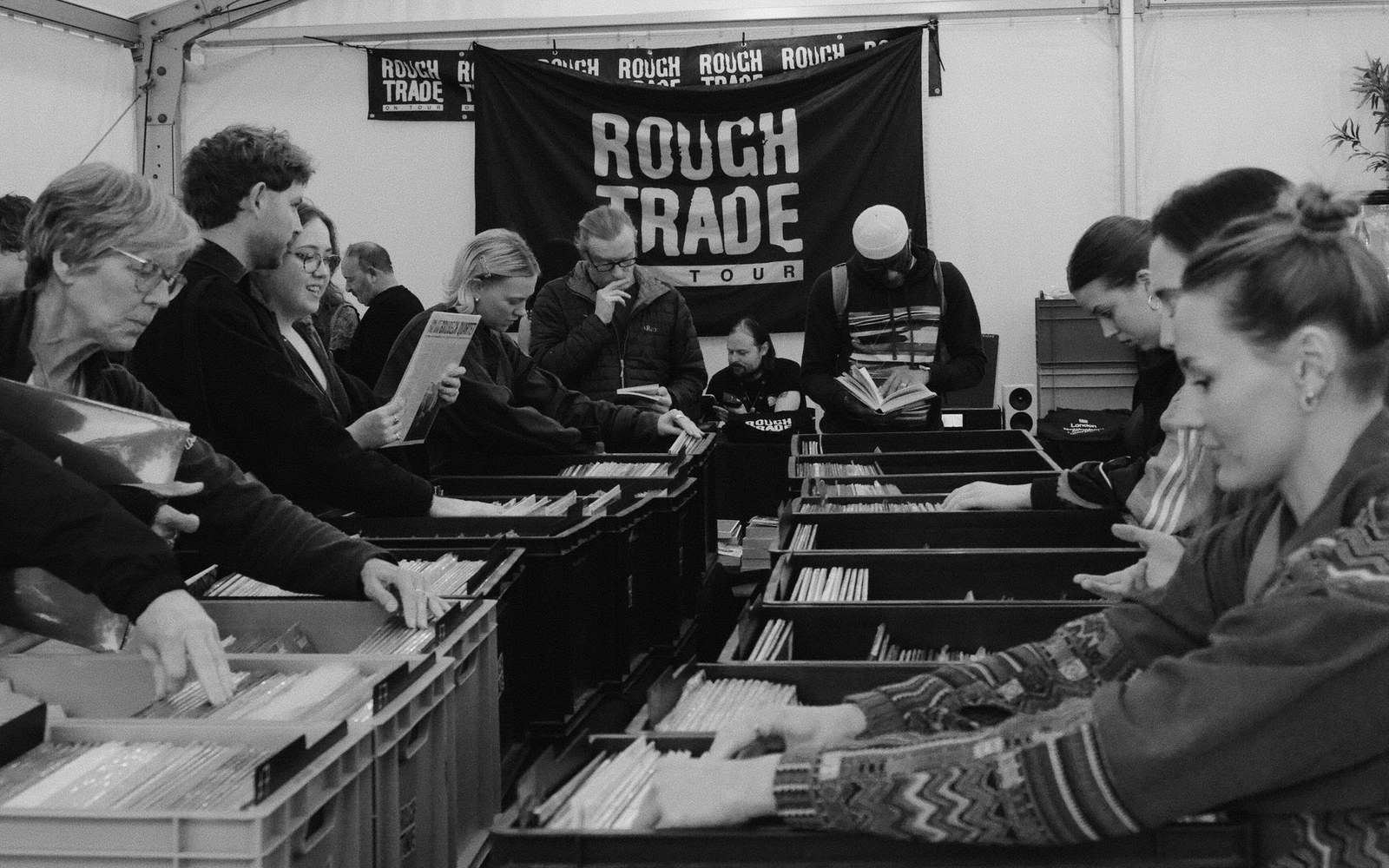
The shop counter as market research: what sold on Saturday decided what got pressed on Monday.
Photo: Ian / Pexels
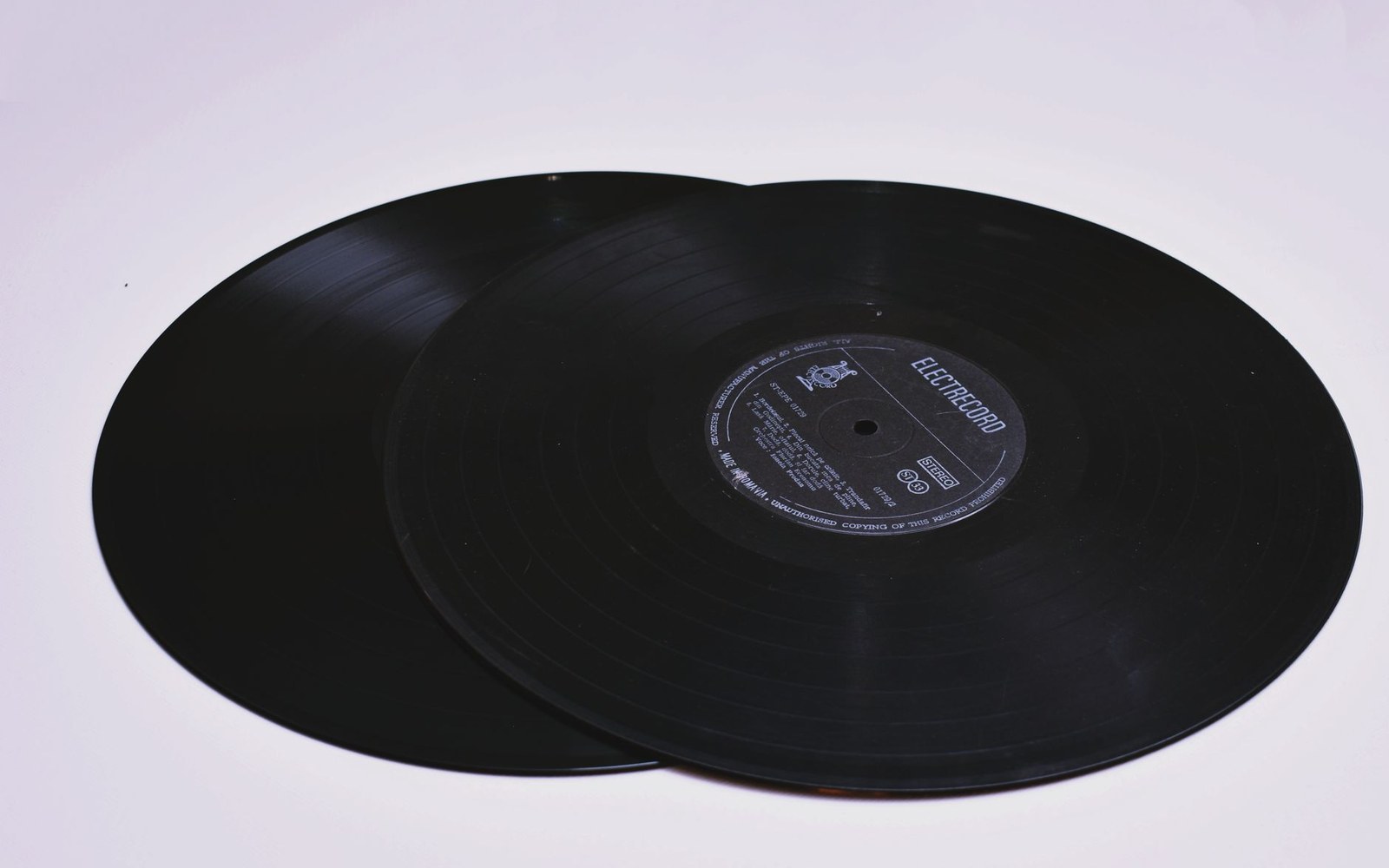
Sun 209, July 1954.
Photo: Diana ✨ / Pexels
Gordy relocated Motown's headquarters to Los Angeles in 1972, drawn by the film and television ambitions he had pursued since the mid-1960s. The move closed Hitsville U.S.A. as a functioning studio and dispersed the network of producers, musicians, and arrangers whose proximity had been the physical precondition of the Detroit sound. The Funk Brothers were not invited west. The Friday quality-control meetings did not survive the transition in any meaningful form. Motown continued to record commercially successful music through the 1970s — Stevie Wonder's run of albums from Innervisions through Songs in the Key of Life stands as the most artistically coherent body of work the label released in that decade — but the systematic discipline of the Hitsville years was gone.
By the mid-1980s, Gordy was managing a label with a back catalogue of extraordinary depth but declining relevance in the current market. In 1988, he sold Motown Records to MCA and the investment firm Boston Ventures for approximately sixty-one million dollars — a figure reported at the time of the transaction. The master recordings, the catalogue numbers, the name, and the logo all transferred. Gordy retained the Jobete Music publishing company, which held the copyrights to the Holland–Dozier–Holland catalogue and hundreds of other compositions, separately from the label sale. MCA sold Motown onward to PolyGram in 1993; PolyGram was itself absorbed by Universal Music Group in 1998, where the Motown catalogue has remained since.
The house at 2648 West Grand Boulevard is now the Motown Museum, a registered historic site. Studio A survives largely intact, with the original console, the marked positions on the floor where the Funk Brothers stood, and the bathroom tiles still in place — a room whose specific physical character, more than any corporate structure above it, made the records sound the way they did.