Eighty-seven years of the record business read as one line: who paid for the session, and who ended up owning what came out of it.
Photo: Aaron Burden / Pexels
Record labels: the rooms, the people, the catalogues.
The record label as institution, compressed into a single annotated thread — from Blue Note's first session to streaming's current share of global revenue.
Eighty-seven years of the record business read as one line: who paid for the session, and who ended up owning what came out of it.
Photo: Aaron Burden / Pexels
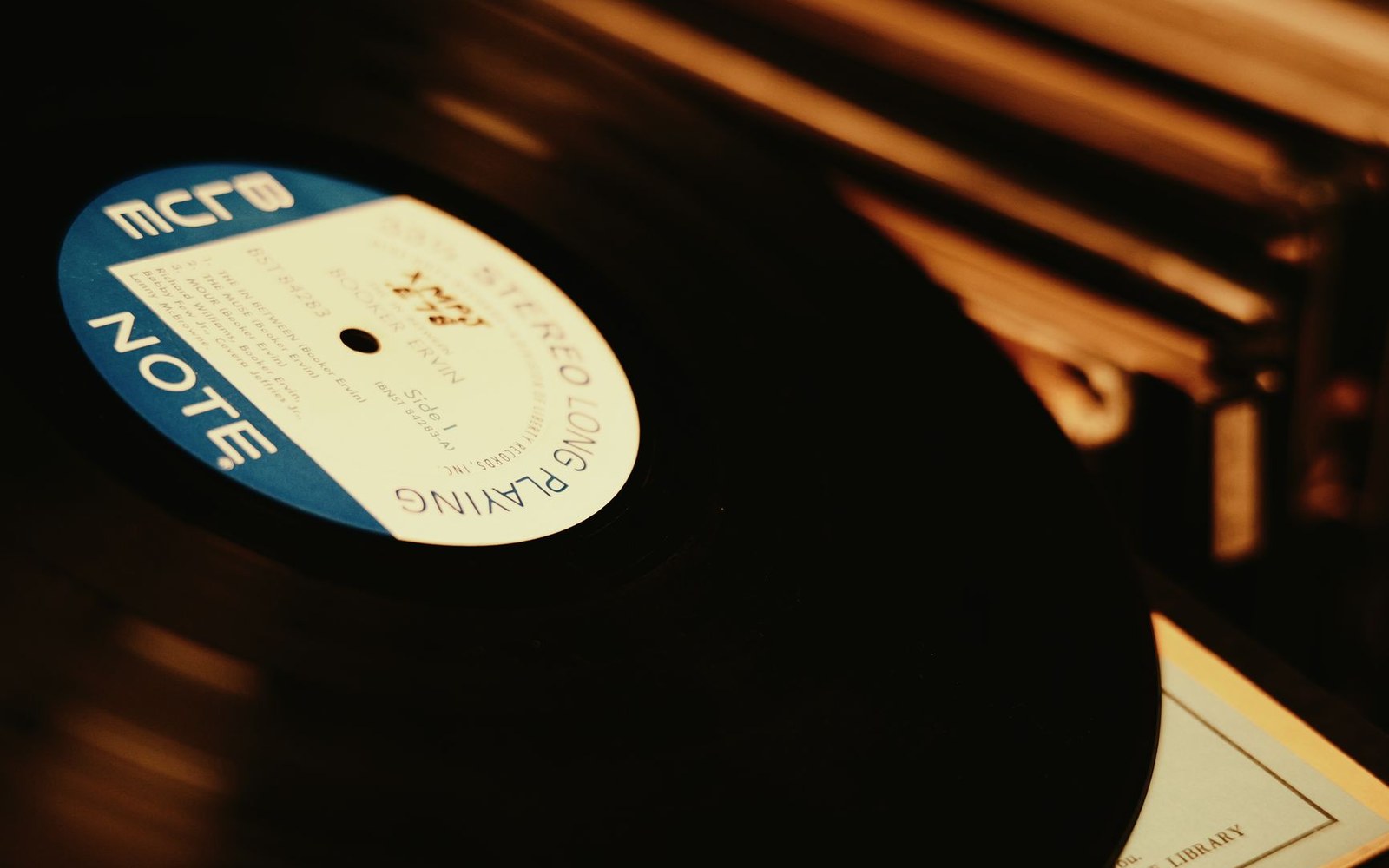
1939. Alfred Lion records Meade Lux Lewis and Albert Ammons in a Carnegie Hall studio and calls the resulting label Blue Note. A hobby becomes a catalogue.
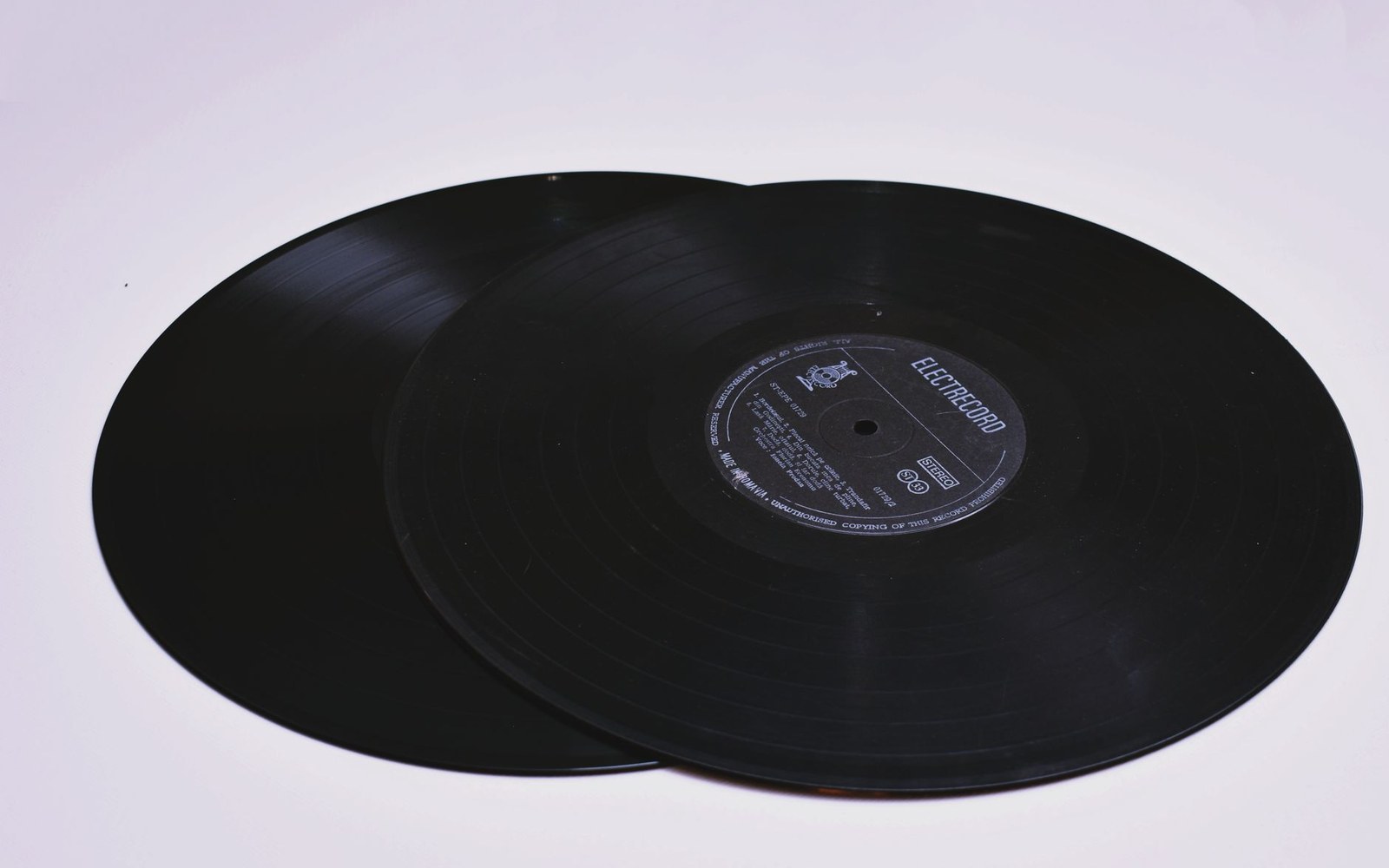
1950. Sam Phillips opens the Memphis Recording Service at 706 Union Avenue, Memphis, charging three dollars and ninety-eight cents per acetate. Within two years it becomes Sun Records.
1954. Chess Records, operating from its early studios on Chicago's South Side, is already the central address of postwar rhythm and blues. Chuck Berry records "Maybellene" for the label a year later.
1959. Berry Gordy borrows eight hundred dollars and incorporates Tamla Records, the founding imprint of what becomes Motown on West Grand Boulevard, Detroit.
Sun 209, July 1954.
Photo: Diana ✨ / Pexels
1960. Jim Stewart and Estelle Axton open Stax in a converted movie theatre in Memphis. The distribution contract they sign with Atlantic in 1961 will cost them everything they record.
1959. Rudy Van Gelder completes the purpose-built studio in Englewood Cliffs, New Jersey, that had already, in its Hackensack form, hosted the defining Blue Note and Prestige sessions.
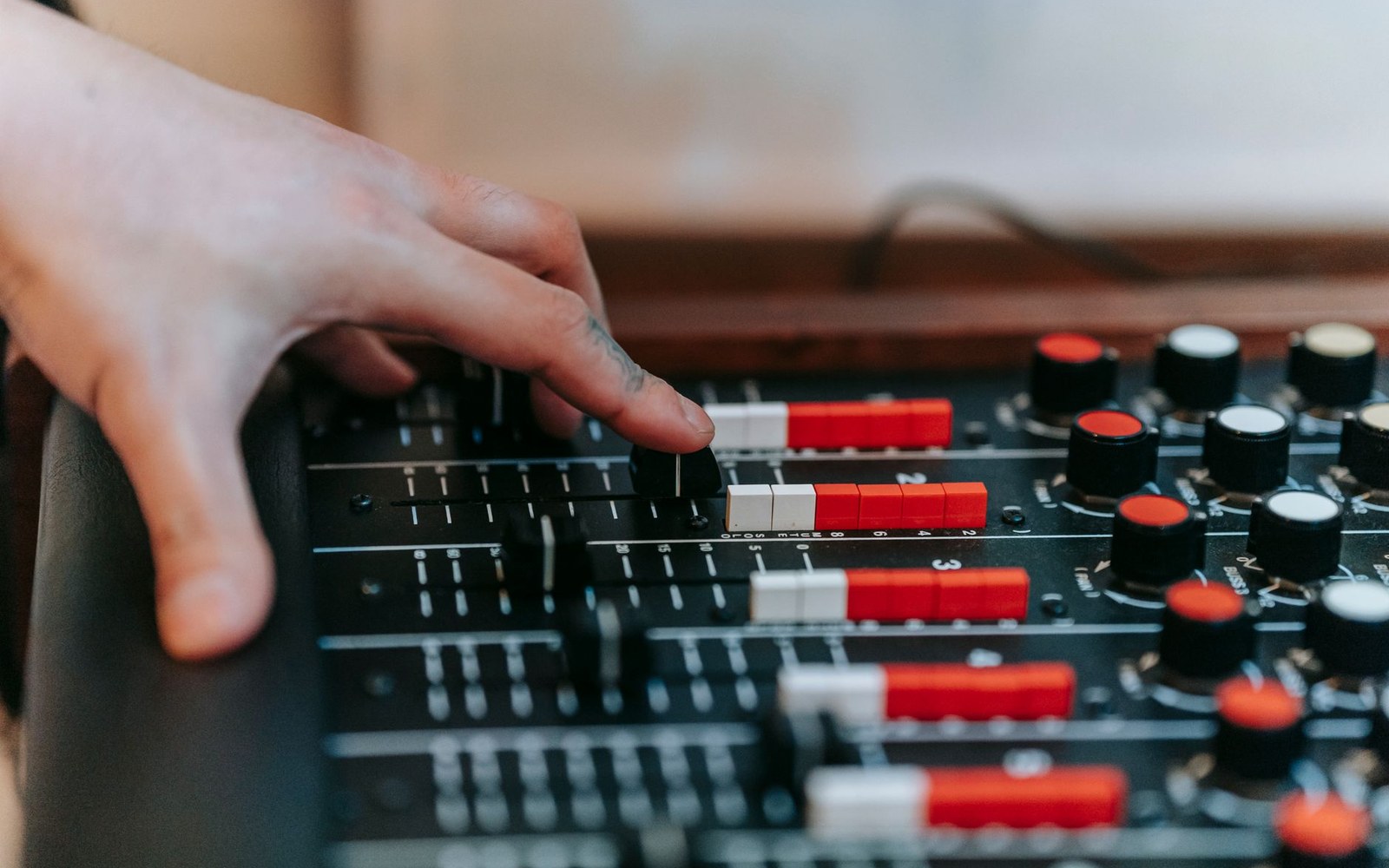
Van Gelder worked with few microphones, placed precisely, and did most of his deciding before the tape ran.
Photo: Anna Pou / Pexels
Sun 209, July 1954.
Photo: Diana ✨ / Pexels
1969. Manfred Eicher founds ECM Records in Munich. The first release ships in 1970; the reverb becomes a signature.
1972. Chris Blackwell brings Bob Marley's Catch a Fire to Island Records in London. Reggae enters the mainstream album-buying market.
1978. Tony Wilson and Alan Erasmus found Factory Records in Manchester. FAC 1, the first catalogue entry, is a concert poster.
1982. The compact disc launches commercially in Japan and Europe. Within a decade the format's premium pricing funds a back-catalogue reissue trade worth billions.
1984. Russell Simmons and Rick Rubin found Def Jam from a dormitory room at New York University, pressing the first single with six hundred dollars.
1988. Sub Pop formalises in Seattle. Bruce Pavitt and Jonathan Poneman press singles in editions of a thousand and mail them to college radio.
1999. Napster launches. The following five years remove roughly half of the global recorded music market's retail value.
2012. Universal Music Group acquires EMI's recorded music assets after European Commission approval. Three major groups now control the majority of commercially released music worldwide.
2024. IFPI's Global Music Report records streaming — paid subscription and ad-supported combined — as the single largest revenue source in recorded music, accounting for 67.3 percent of total global recorded music revenues.