Why New York and Memphis labels paid to record in an Alabama town of six thousand people.
Photo: Robert So / Pexels
Record labels: the rooms, the people, the catalogues.
A converted tobacco warehouse in a town of six thousand people produced some of the most commercially successful soul records of the 1960s and early 1970s — and the major labels kept booking it.
Why New York and Memphis labels paid to record in an Alabama town of six thousand people.
Photo: Robert So / Pexels
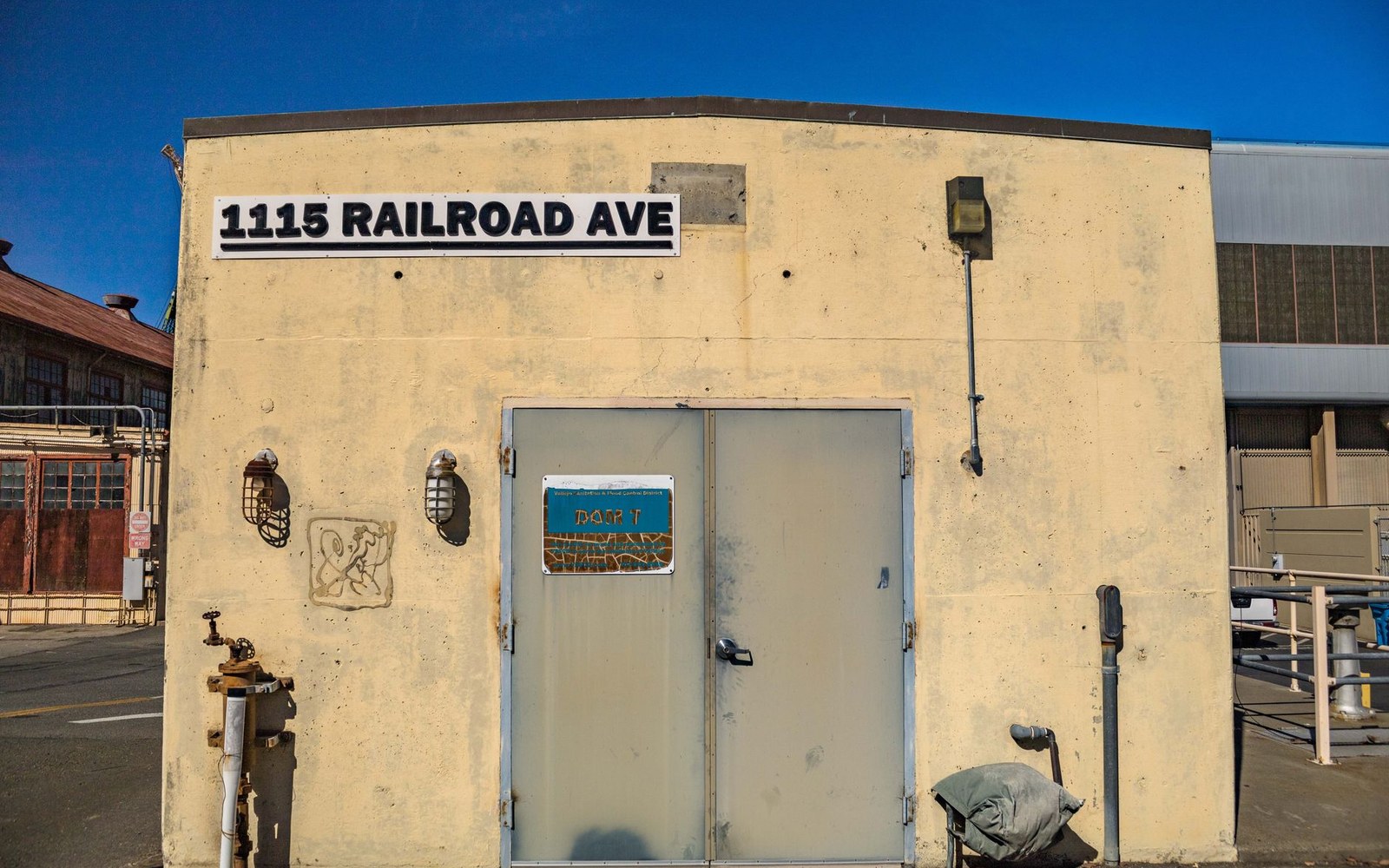
FAME Studios — Fame standing for Florence Alabama Music Enterprises — was founded by Rick Hall in 1959 and moved to a building on Avalon Avenue in Muscle Shoals in 1961. The physical space was unremarkable: a converted structure with no acoustic pedigree, no celebrity address, no proximity to an industry infrastructure. What it had was Hall's ear for arrangement, a rhythm section of unusual empathy, and a geographic remove that turned out, paradoxically, to be an asset. Artists arriving from New York or Memphis stepped away from their usual environments and recorded without distraction. The studio ran on its own compressed economy — cheaper than Manhattan, less fraught than the Stax operation on McLemore Avenue in Memphis — and Hall ran sessions with a producer's authority that labels in the north had learned to trust.
The four musicians who became the house band — Barry Beckett on keyboards, Roger Hawkins on drums, David Hood on bass, and Jimmy Johnson on guitar — were white Southerners playing a style so thoroughly rooted in Black American music that the combination confused and then compelled everyone who heard the results. Ahmet Ertegun and Jerry Wexler at Atlantic were among the first major-label figures to understand what the room was producing, and they committed sessions accordingly.
The shop counter as market research: what sold on Saturday decided what got pressed on Monday.
Photo: Ian / Pexels
Sun 209, July 1954.
Photo: Diana ✨ / Pexels
The recording that proved the model was Aretha Franklin's first Atlantic session in January 1967. Wexler brought Franklin to FAME after her Columbia years had produced technically competent but commercially flat results. The Muscle Shoals rhythm section, combined with Wexler's production instinct, yielded "I Never Loved a Man (The Way I Love You)" — a hit that established Atlantic's soul catalogue as something categorically different from its earlier R&B output. The session broke down mid-way through a dispute between Hall and Franklin's then-husband, and the remainder of the album was recorded in New York with the same musicians flown in. The geographical flexibility of the Swampers was itself part of their value.
Within two years, the four players had left Hall's employ and established the Muscle Shoals Sound Studio at 3614 Jackson Highway, operating it as a musician-owned collective. The business logic was direct: if Atlantic and others were paying for the players, the players could capture the room rate themselves. The new studio was raw — a former coffin showroom, not an architectural showpiece — and it recorded the Rolling Stones, Paul Simon, Rod Stewart, and a string of Atlantic and other label artists through the early 1970s. Hall continued running FAME independently, cutting sessions with artists including Candi Staton and Clarence Carter, whose "Patches" reached number four on the Billboard Hot 100 in 1970.
Session fees in Muscle Shoals were union-scale by the late 1960s, governed by American Federation of Musicians rates, but the total cost of a session — travel included — remained substantially below New York studio costs. Atlantic's lease-deal model and its practice of licensing masters from regional producers meant that the label sometimes bore only the session and travel costs while the producing entity — Hall, or later the Swampers' own partnership — held the underlying rights negotiation. The economics rewarded efficiency: Muscle Shoals sessions were known for short clock hours relative to the quality of recorded output, because the rhythm section rehearsed arrangements before the tape rolled and the players read each other with the precision of a working band rather than a pick-up crew.
The legacy of those sessions is audible in Atlantic's catalogue across a decade, and the studio infrastructure that Hall and the Swampers built proved durable enough to attract bookings long after the commercial peak of Southern soul had passed. What the labels were buying in Alabama was not a room's reverb character — the acoustics were serviceable, nothing more — but a set of relationships between four musicians who had played together long enough to make other people sound like themselves.